Cartilage Tympanoplasty for Failed Ear Surgery | Hearing Restoration by Dr Kumaresh
A failed ear surgery can leave more than hearing loss behind.
It leaves frustration, anxiety, and the fear that nothing more can be done.
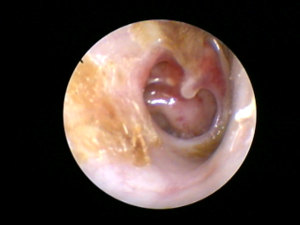
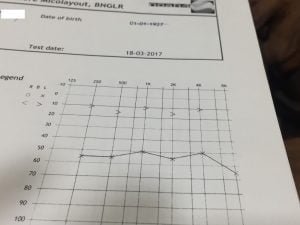
This patient in his 30s came to me after undergoing previous unsuccessful ear surgeries elsewhere. He had been living with a very large eardrum perforation, persistent hearing difficulty, and the emotional burden of being told that hearing aids might be his only option. By the time he arrived for consultation, he felt deeply discouraged — but he still carried hope that his hearing and quality of life could be restored.
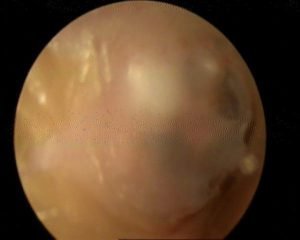
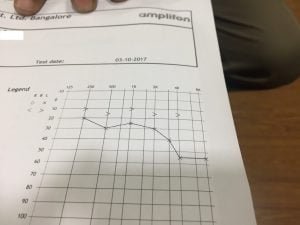
After a detailed evaluation, I advised a Cartilage Tympanoplasty — a specialised reconstructive ear surgery designed for difficult or previously failed cases.
The outcome speaks for itself.
What is Cartilage Tympanoplasty?
Cartilage tympanoplasty is an advanced surgical technique used to repair a perforated eardrum (tympanic membrane) using cartilage grafts taken from the patient’s own body. Unlike conventional grafts, cartilage offers greater strength and long-term stability, especially in:
- large perforations
- revision ear surgeries
- weak or retracted eardrums
- chronic ear disease
A damaged eardrum can lead to:
- hearing loss
- recurrent ear infections
- ear discharge
- reduced quality of life
- difficulty in day-to-day communication
The goal of surgery is not merely to “close a hole,” but to restore the ear’s natural function and improve hearing wherever possible.
My Surgical Approach
In the majority of cartilage tympanoplasty procedures, I prefer a transcanal endoscopic or microscopic approach, meaning the surgery is performed through the ear canal itself — without making a large external cut behind the ear.
This offers several advantages:
- less tissue trauma
- faster healing
- minimal visible scarring
- reduced postoperative discomfort
- earlier return to routine activities
Many patients are able to resume normal daily activity as early as the next day.
Revision Ear Surgery Requires Precision
Patients who have undergone failed ear surgeries often present unique surgical challenges:
- scar tissue
- distorted anatomy
- persistent infection
- weakened graft beds
- poor hearing outcomes from earlier procedures
These cases require careful planning, microsurgical precision, and experience in advanced otologic reconstruction.
For many patients, successful cartilage tympanoplasty is not only about hearing restoration — it is about restoring confidence, comfort, and hope again.