Surprising Link Between Cockroach and Ear Damage – What You Need to Know
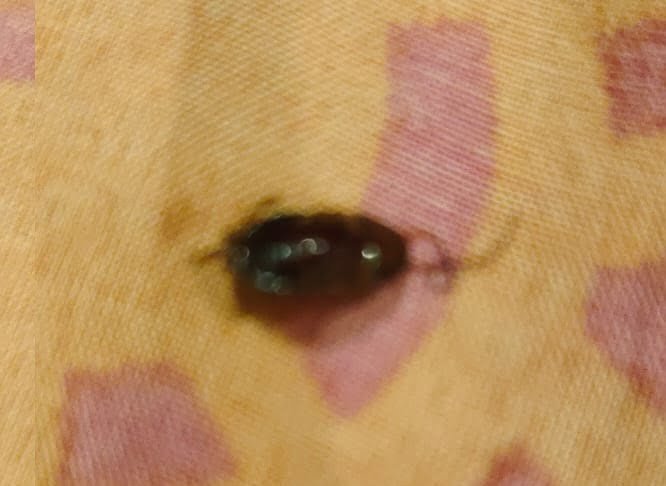
Cockroaches are one of the most common household pests and are known to cause a variety of health problems, including allergies, asthma, and other respiratory problems. Although uncommon, insects can enter the external ear canal, particularly while a person is sleeping.
One factor that may make the ear canal more vulnerable is excessive cleaning with ear buds or cotton buds. Repeated cleaning can remove the natural earwax (cerumen) that normally coats and provides an additional protective barrier, and its absence may make it easier for a foreign body to move along the canal.
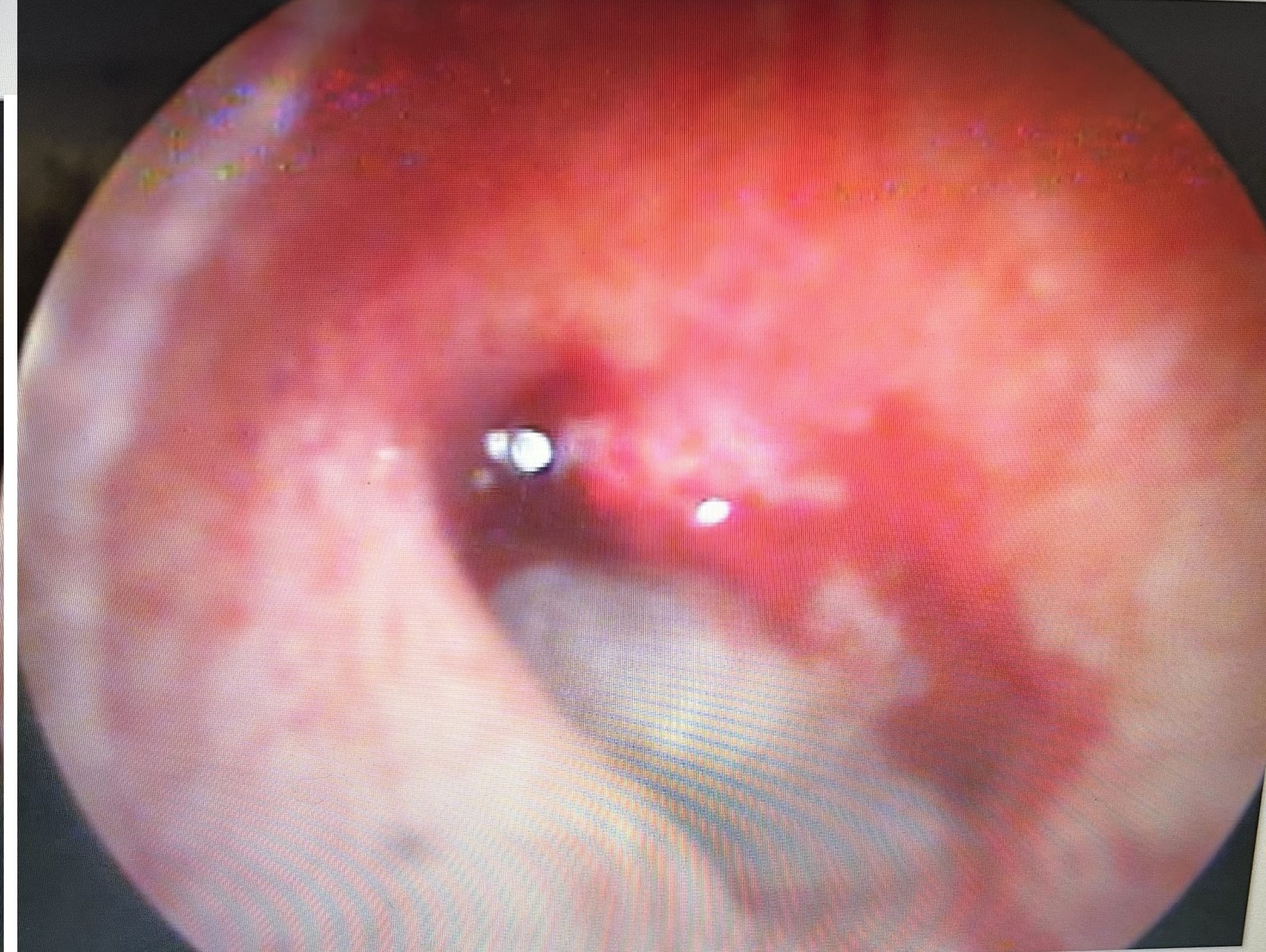
Can a Cockroach Damage the Eardrum?
Yes, an insect in the ear can potentially injure the eardrum, although direct eardrum injury is not inevitable.
A struggling insect can irritate or scratch the delicate skin of the ear canal. It may also come into contact with the eardrum, causing pain and discomfort.
What Symptoms Can Occur?
An insect in the ear may cause:
- Sudden ear pain or discomfort
- A crawling or moving sensation
- Itching or irritation
- A blocked sensation or reduced hearing
- Bleeding if the canal has been scratched
- Tinnitus (ringing in the ear)
What Should You Do?
Do not put anything into the ear to try to remove the insect.
One of the more important risks is attempting to remove the insect yourself. Using a finger, cotton bud, ear bud, tweezers or another object can push the insect deeper into the ear and cause trauma to the ear canal or eardrum.
If you suspect that an insect has entered your ear and it does not come out, have the ear examined by an ENT specialist. The insect can usually be visualised and removed safely using appropriate instruments.
The Bottom Line
Your ear has its own natural defence system. Earwax is part of that protection.
Frequent use of ear buds or cotton buds can remove this protective wax and leave the ear canal dry and irritated. While the absence of wax does not prevent an insect from entering or reaching the eardrum, maintaining the natural earwax layer helps protect the delicate skin of the ear canal.
If an insect enters the ear, do not try to dig it out. Get it removed safely.