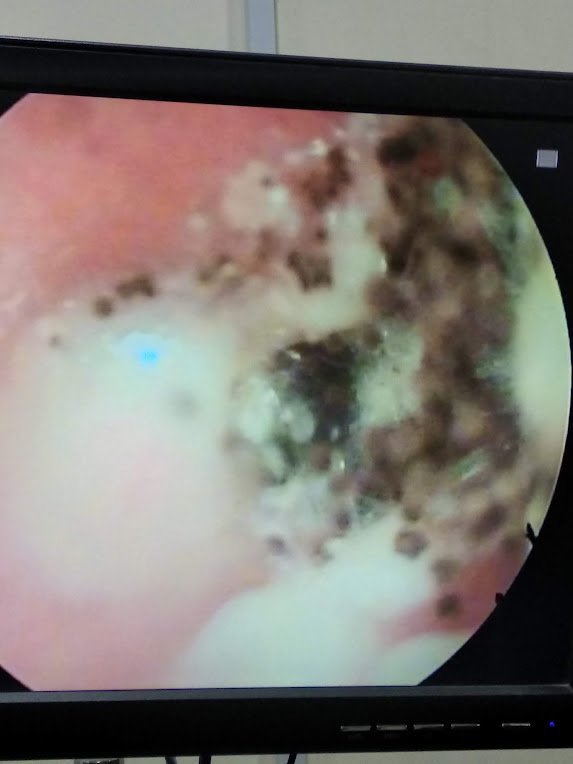
Otomycosis – Fungal Infection of Ear
It is a term that is used for fungal infection that affects the external auditory canal, which is the part of the ear canal leading from the outer ear to the eardrum. It is a form of otitis externa and can cause considerable itching, discomfort and ear discharge.
Unlike many bacterial ear infections, intense itching is often one of the most prominent symptoms of otomycosis. Patients may also describe a blocked sensation, reduced hearing or a feeling that something is present inside the ear.
Otomycosis is seen more frequently in hot, humid climates, where warmth and moisture can encourage fungal growth. It may also occur after swimming, water exposure or repeated moisture entering the ear during bathing. However, water exposure is not the only reason it occurs.
Why Does a Fungal Infection Develop in the Ear?
The external ear canal normally has several natural protective mechanisms. The skin is slightly acidic and is covered by a mixture of cerumen (earwax) and skin oils that help maintain its normal environment.
When this environment is disturbed, fungi can multiply more easily.
Some factors that may increase the risk include:
- Frequent exposure to water or persistent moisture in the ear
- Hot and humid weather
- Repeated use of cotton buds or ear buds
- Scratching or traumatising the skin of the ear canal
- Excessive removal of protective earwax
- Previous ear infections
This is one reason why repeatedly trying to clean the ear can actually make the problem worse. Excessive cleaning can remove protective wax and cause tiny injuries to the delicate skin lining the canal.
What Does Otomycosis Feel Like?
The symptoms can vary from person to person, but itching is often particularly prominent.
Common symptoms include:
- Intense itching inside the ear
- Ear discomfort or pain
- A feeling of fullness or blockage
- Ear discharge
- Reduced hearing due to debris blocking the ear canal
- A sensation of something moving or being present in the ear
- Irritation or tenderness of the ear canal
If you frequently experience ear itching, it is better to identify the cause rather than repeatedly putting objects into the ear.
It is important to remember that these symptoms are not specific to fungal infection. Bacterial otitis externa, eczema, dermatitis, foreign bodies and other conditions can produce similar symptoms. Examination of the ear is therefore important before deciding on treatment.
Why Should You Avoid Cotton Buds?
When the ear becomes itchy, the natural reaction is to put a cotton bud into it.
Unfortunately, this can create a cycle:
Itching → scratching with a cotton bud → skin injury → inflammation → more itching.
Cotton buds can also push debris deeper into the ear canal and remove protective earwax.
They should not be routinely inserted into the ear canal for wax removal. I have explained this in more detail in my article on whether ear buds are safe for ear wax removal.
If an ear is already inflamed or infected, inserting a cotton bud can further traumatise the skin and potentially make recovery more difficult.
How Is Otomycosis Diagnosed?
Diagnosis is usually made by examining the ear canal with an otoscope or, when necessary, under magnification.
The appearance of the ear canal and the type of debris present can provide important clues. In recurrent, persistent or atypical cases, additional testing may sometimes be required.
How Is Otomycosis Treated?
Treatment depends on the severity of the infection and the condition of the ear canal.
1. Cleaning the ear canal
One of the most important steps can be careful cleaning or debridement of the ear canal.
Fungal debris can remain attached to the canal and may prevent topical medication from reaching the affected skin effectively. An ENT specialist can clean the canal using appropriate instruments, usually under direct vision or magnification.
Patients should not attempt to perform this cleaning themselves.
2. Antifungal treatment
Depending on the findings, an appropriate topical antifungal medication may be prescribed.
It is therefore important not to use random ear drops without knowing what is causing the problem.
3. Keeping the ear dry
Keeping the affected ear dry is an important part of treatment.
During bathing, avoid allowing water to enter the ear. Swimming may need to be avoided temporarily until the infection has resolved.
Moisture can encourage continued fungal growth and may delay recovery.
4. Avoid scratching
Even though the itching can be intense, scratching the ear canal can damage the skin and perpetuate inflammation.
This is particularly important because the skin lining the external ear canal is delicate.
Can Otomycosis Come Back?
Yes. Recurrence is possible, particularly if the factors that contributed to the infection continue.
Repeated moisture exposure, excessive cleaning, scratching and underlying skin conditions may all contribute to recurrence.
The Bottom Line
Otomycosis is a fungal infection of the external ear canal, commonly associated with a warm, humid environment and conditions that disturb the normal protective environment of the ear.
Severe itching, discomfort and discharge are common clues, but they do not by themselves prove that the infection is fungal.
Treatment may require careful cleaning of the ear canal followed by appropriate topical medication. Keeping the ear dry and, importantly, avoiding cotton buds and scratching inside the ear can help prevent further irritation and recurrence.
Your ear is a self-cleaning organ. In most situations, the best approach is not to keep cleaning it—but to understand why it is itching, painful or discharging in the first place.