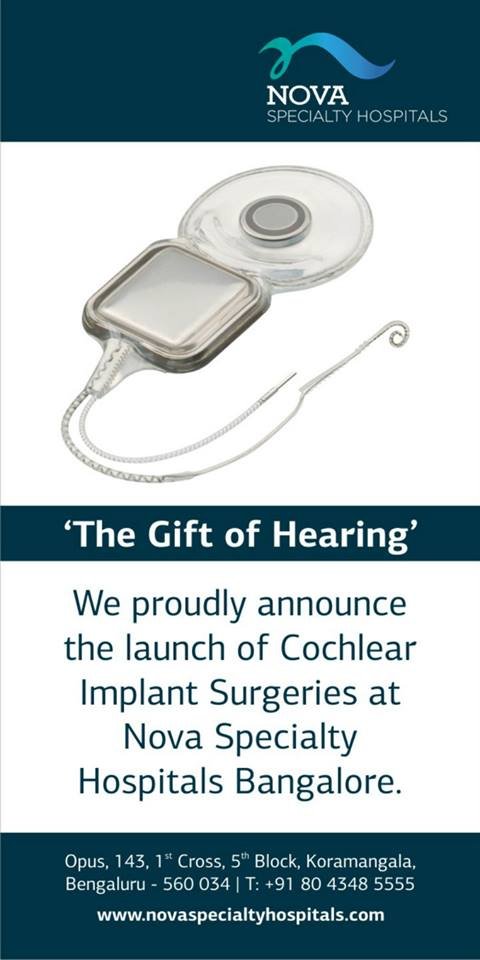
Otology Implantations Like BAHA and Cochlear Implant as Day Care Surgeries
In recent years, advances in otology, anaesthesia, surgical technique and postoperative care have changed the way many ear procedures are performed. Selected otology implantations, including procedures involving bone-anchored hearing systems such as BAHA and, in appropriately selected patients, cochlear implants, may be performed with a short hospital stay or as day-care procedures depending on the individual circumstances.
A New Era of Surgical Care
Traditionally, complex ear surgeries and otology implantations were often associated with longer hospital stays. Improvements in surgical techniques and perioperative care have made shorter admissions possible for selected patients.
But the decision to treat an implantation as a day-care procedure should never be based simply on the desire to discharge the patient quickly. The patient’s general health, age, type of implant, surgical complexity, anaesthetic considerations and expected postoperative needs must all be taken into account.
BAHA and Bone-Anchored Hearing Systems
Bone-anchored hearing systems are designed for selected patients with conductive or mixed hearing loss and for some individuals with single-sided deafness. Instead of relying entirely on the normal pathway through the outer and middle ear, these systems use bone conduction to deliver sound to the functioning cochlea.
The surgical procedure is generally less extensive than many major otologic operations. In appropriately selected patients, this can make a short-stay or day-care pathway possible, depending on the specific device, surgical technique and institutional protocol.
However, the fact that an operation may be performed as day care does not make the decision to implant any less important. Proper hearing assessment, imaging when indicated, evaluation of the ear and surrounding anatomy, and detailed counselling are essential before surgery.
Cochlear Implantation: Precision at Every Step
Cochlear implantation is a highly specialised procedure for appropriately selected individuals with severe to profound sensorineural hearing loss who receive insufficient benefit from conventional hearing aids. The implant bypasses damaged parts of the inner ear and directly stimulates the auditory nerve through an electrode array placed within the cochlea.
Although cochlear implantation is a sophisticated operation, advances in surgical and anaesthetic care have made shorter hospital stays possible in selected patients. Whether a particular patient is suitable for day-care management depends on several factors, and some patients may appropriately require overnight observation.
The surgery itself is only one part of the cochlear implant journey. Preoperative assessment, device selection, postoperative care and subsequent programming and auditory rehabilitation are equally important to achieving the best possible outcome.
The Demand for Exceptional Skill
Performing complex otology procedures efficiently requires exceptional skill and detailed knowledge of the anatomy of the ear, temporal bone, facial nerve and surrounding structures.
Implant surgery requires precision because important structures may lie within a very small operative field. Surgeons and their teams must be prepared to identify anatomical variations, manage unexpected findings and respond appropriately if a surgical challenge arises.
Specialised training and experience therefore matter far more than simply the number of procedures performed as day care. A safe surgical pathway begins with knowing which patients and procedures are appropriate for a shorter admission.
Unwavering Confidence — Without Compromising Safety
Successful day-care surgery requires confidence, but confidence in surgery should never mean taking unnecessary risks. It means having the experience and preparation to make sound decisions while maintaining patient safety at every stage.
Healthcare professionals involved in these procedures must be able to anticipate potential problems, recognise complications early and determine when a patient needs additional observation. The ability to convert a planned day-care procedure into an overnight admission when clinically necessary is also an important part of responsible surgical care.
This is particularly relevant in implant surgery, where postoperative assessment is an essential component of the overall treatment pathway.
A Step Forward in Otology
The evolution of day-care pathways for selected otology implant procedures represents an important development in modern surgical care. When supported by appropriate patient selection, experienced surgeons, specialised teams and robust postoperative protocols, shorter hospital stays can provide meaningful benefits without compromising the principles of safe surgery.
My specialised training in neurotology has provided a foundation for managing complex ear and skull-base conditions where precision and detailed anatomical knowledge are essential. Experience in specialised surgical care and a commitment to surgical excellence are particularly important when considering advanced otologic procedures.
Ultimately, the goal is not merely to perform surgery and send a patient home quickly. The goal is to provide safe, precise and appropriately planned treatment while making the patient’s overall surgical experience as comfortable and efficient as possible.