
The Surgeon Who Asks
Why — Before How.
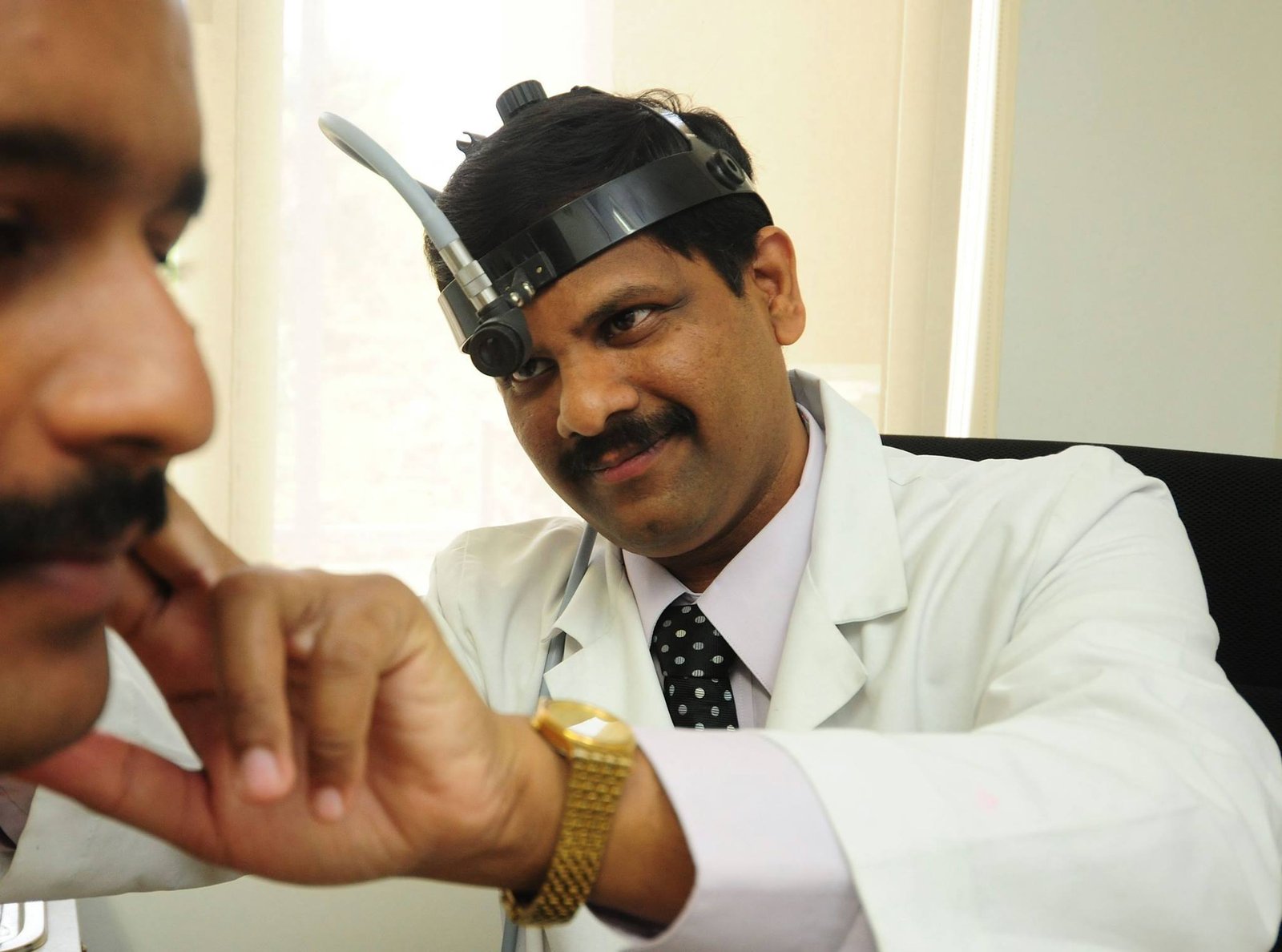
When an ENT problem isn't straightforward, the right diagnosis matters as much as the treatment. With more than 25 years of experience in ENT, Head & Neck and Skull Base Surgery, my practice focuses on cases where the obvious answer doesn't quite explain the patient.
Who Comes Here — and Why
A superspecialist practice is not defined only by the conditions it treats, but by the situations it helps resolve — cases where earlier treatment fell short, where the diagnosis was incomplete, or where the next decision carries significant consequences.
Complex or Uncertain Diagnosis
Patients whose symptoms, examination findings and investigations do not appear to fit together neatly may need a deeper clinical assessment before treatment is decided.
Previous Treatment Has Not Worked
When symptoms persist despite previous treatment or surgery, the next step should not automatically be another procedure. The underlying diagnosis needs to be reconsidered.
Surgery With Significant Consequences
When an operation involves important anatomy or irreversible change, an additional surgical opinion can help clarify whether surgery is necessary and what it should realistically achieve.
Patients are referred by ENT surgeons, neurologists, oncologists and other specialists when a case requires a particular depth of subspecialty assessment. I consider that trust a responsibility rather than simply a recognition of expertise.
The Symptom Is Only the Clue
A child hearing sound for the first time. A tumour pressing dangerously against the brain. A voice suddenly lost. A patient who has already undergone several procedures without the problem being resolved.
These are not simply surgical cases. They are problems that require careful diagnosis, clinical judgment and an understanding of what the patient actually needs — particularly when previous treatment has fallen short, the diagnosis is uncertain, or the consequences of the next decision are significant.
Ear pain may not originate from the ear. Dizziness may not always be an inner-ear problem. A change in voice may be the first indication of disease somewhere else. That is why a consultation should not end with identifying the symptom — it should begin with understanding it.
Training That Shaped My Practice — What It Means for You
A fellowship is a credential; what matters to you is how it alters what happens in clinic and in the operating room. My subspecialty training across four core disciplines directly dictates surgical precision, functional preservation, and recovery speed.
Oncologic control paired with absolute priority on preserving speech, swallowing, and airway function.
Microsurgical accuracy for inner ear, balance, and skull base conditions when standard treatments fail.
Definitive diagnostic evaluation of neck lumps, thyroid nodules, and parotid disease before operating.
Navigating critical cranial anatomy to safely access complex pathology while avoiding collateral damage.
What "Minimally Invasive" Actually Means in Practice
True minimally invasive surgery is not a cosmetic gimmick or a shortcut. In thyroid, parotid, and neck procedures, mini-incisions and muscle preservation work safely only because every microscopic blood vessel is sealed at its source, nerves controlling voice and swallowing are verified, and the operative bed is deliberately stress-tested before closure.
A drain-free procedure and a quick return home are not risks taken to look advanced—they are the natural byproducts of complete intraoperative certainty.
Before I Decide How to Operate, I Ask Why I Should Operate
Surgical expertise is not only the ability to perform an operation. It is also the ability to decide whether the operation is appropriate in the first place.
Every surgical decision requires an understanding of the diagnosis, anatomy, expected benefit, surgical risk, long-term outcome and the patient's own goals.
Is the diagnosis actually correct?
What has happened before?
What anatomy remains?
What will surgery realistically accomplish?
What could surgery take away?
What does the patient actually want to achieve?
When Even a Prior Diagnosis Wasn't the Full Picture
These cases were independently reported in the press. In each, revisiting the clinical problem led to a different understanding of what the patient needed.

A Diagnosis That Could Have Led to a Disfiguring Operation
A patient had been advised abroad that a growth involving his ear was cancerous and that extensive surgery would be required. Further evaluation identified the condition as cholesteatoma—a non-cancerous disease requiring an entirely different surgical pathway.

When a Complication After Surgery Became the New Problem
After thyroid surgery abroad, a patient suffered bilateral vocal cord paralysis. Treatment focused on precisely restoring airway patency and voice function while avoiding a permanent tracheostomy tube.
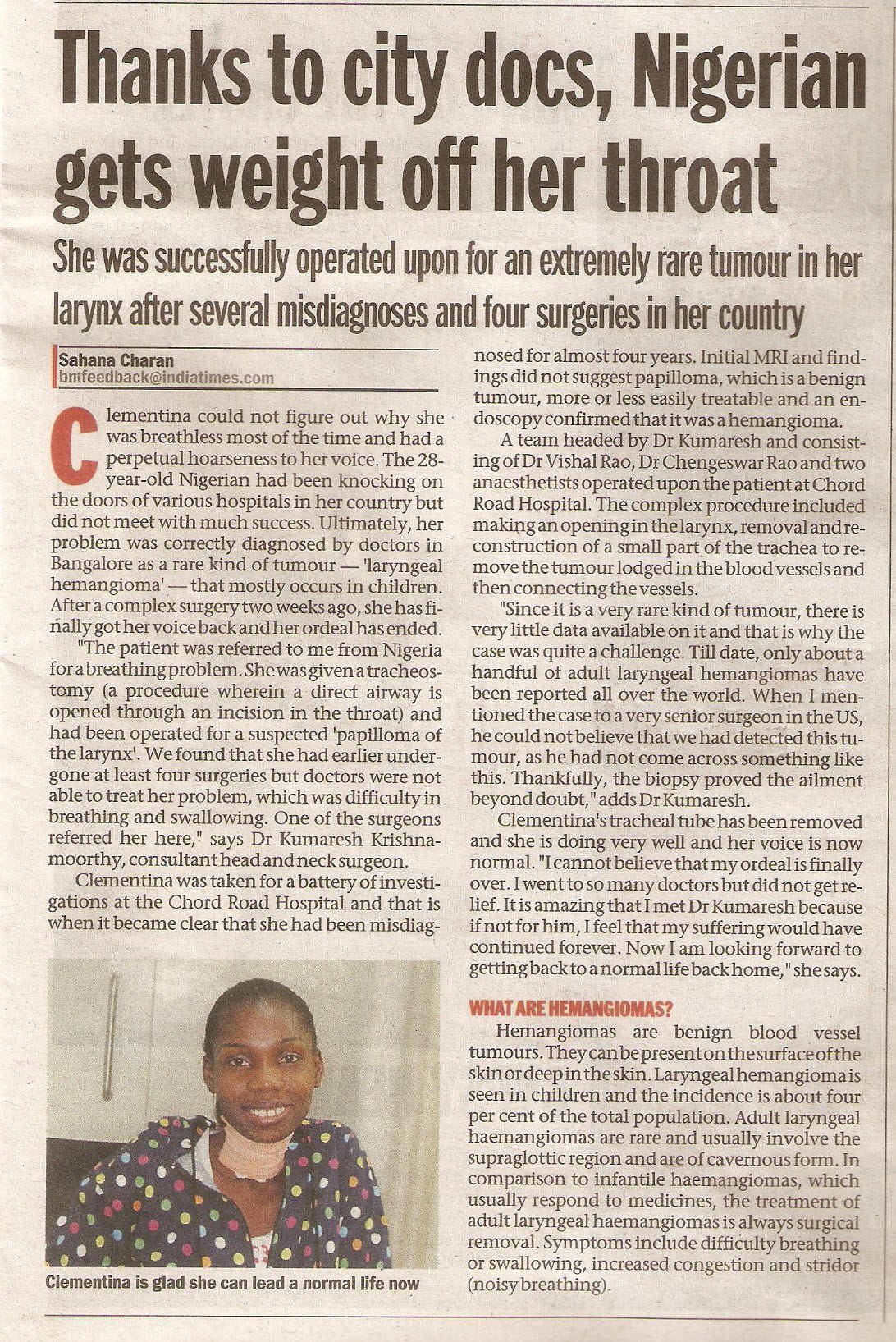
Multiple Operations. The Underlying Problem Was Still Not Solved.
A patient endured multiple interventions over years and remained tracheostomy-dependent. Re-evaluating the pathology identified a rare laryngeal tumour, enabling precise surgical removal directed at the true source.
Book a Consultation
If you have a complex ENT, Head & Neck, ear, skull base or hearing-related problem — or have been advised to undergo surgery and want another opinion — a detailed clinical assessment can help clarify the diagnosis and the right path forward. Please bring any previous reports, scans and treatment history with you.
WhatsApp AppointmentFrequently Asked Questions
Learn more about Dr. Kumaresh Krishnamoorthy's training, professional experience, hospital associations, and specialist expertise.