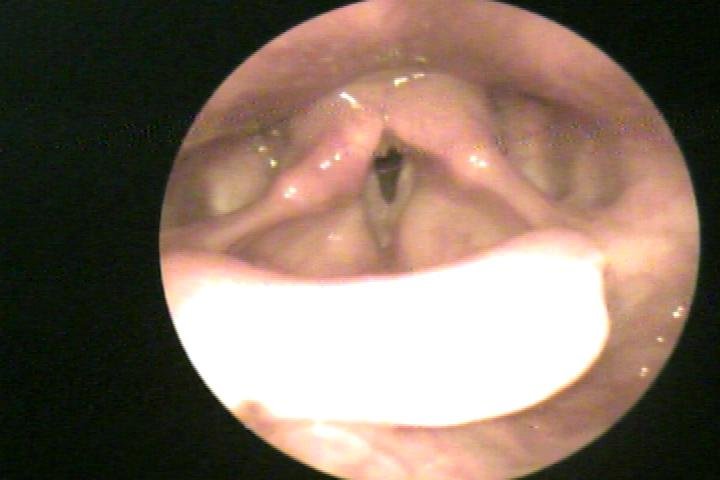
Hoarseness (Laryngitis): Causes, Symptoms, When to Worry and Treatment
Hoarseness is a change in the quality of the voice. The voice may become rough, raspy, breathy, weak or strained, or may sound different from normal. It occurs when there is a problem affecting the vocal cords (vocal folds) or the surrounding structures of the voice box (larynx).
Laryngitis is one of the common causes of hoarseness and usually occurs when the vocal cords become inflamed and swollen. However, not every episode of hoarseness is laryngitis, and persistent voice change should not simply be attributed to an infection.
Symptoms
The most obvious symptom is a change in the voice. And it may occur on its own or together with other symptoms such as:
- Dry or irritating cough
- Sore or irritated throat
- Dryness or a sensation of irritation in the throat
- Frequent need to clear the throat
- Difficulty producing the usual pitch or volume
- Voice fatigue after prolonged speaking
- A sensation of something being present in the throat
These symptoms can occur with simple viral infections, voice overuse, allergy, acid reflux and other relatively common conditions. The presence of hoarseness alone does not indicate a serious disease.
What Causes Hoarseness?
There are many possible causes.
Viral infections
One of the most common causes is a viral upper respiratory infection. The inflammation associated with a cold or viral infection can cause the vocal cords to swell, temporarily altering their vibration and producing a hoarse voice.
In most uncomplicated cases, the voice gradually returns to normal as the infection settles.
Voice overuse
The vocal cords are delicate structures that vibrate many times during speech. Prolonged or excessive voice use can cause irritation and swelling.
This is particularly relevant to people whose professions depend heavily on their voices, including:
- Teachers
- Singers
- Call-centre professionals
- Actors
- Coaches
- Public speakers
- Sales and customer-service professionals
Speaking loudly for prolonged periods, shouting or using the voice incorrectly can also contribute to voice problems.
Acid reflux
Acid or other stomach contents reaching the throat and larynx can irritate the tissues involved in voice production. This is sometimes referred to as laryngopharyngeal reflux.
You may have reflux-related throat symptoms even without typical heartburn. More information is available in my article on acid reflux or gastro-esophageal reflux disease.
Allergy and irritation
Allergic inflammation, environmental pollutants, dust and other irritants can contribute to throat and laryngeal irritation.
Smoking is another important irritant. Both active smoking and exposure to second-hand smoke can irritate the respiratory tract and larynx.
Certain medications and medical procedures
Some medications can contribute to dryness or irritation of the throat. Hoarseness can also occur temporarily after endotracheal intubation, when a breathing tube has been placed through the mouth into the airway during a procedure.
Persistent symptoms following intubation should be evaluated rather than assumed to be normal.
Other conditions
Persistent hoarseness can occasionally be related to vocal-cord nodules, polyps, cysts, vocal-cord paralysis, neurological conditions and other disorders affecting the larynx or the nerves supplying it.
In some cases, hoarseness may be an early symptom of a more serious condition, including laryngeal or other head and neck cancers. This is why persistent voice change deserves proper assessment.
You can read more about warning symptoms in my article on head and neck cancer.
When Should Hoarseness Be Evaluated?
A short episode of hoarseness associated with a cold or other obvious temporary cause will often settle as the underlying problem improves.
However, persistent or unexplained hoarseness should not be ignored.
You should seek an ENT evaluation if the voice change persists, keeps recurring, or occurs without an obvious cause.
The purpose of evaluation is not to assume that something serious is present. It is to identify the cause rather than treating persistent hoarseness blindly.
Depending on the history and examination, an ENT specialist may examine the larynx and vocal cords using a flexible or rigid endoscope.
What Can You Do at Home?
For uncomplicated acute hoarseness, supportive care is often sufficient.
- Rest your voice
Avoid unnecessary talking, shouting and prolonged voice use while your voice is recovering.
Importantly, do not whisper. Whispering can place additional strain on the voice in some circumstances. Speak softly and normally when communication is necessary.
- Stay well hydrated
Adequate fluid intake helps maintain hydration of the tissues of the throat and can reduce the sensation of dryness and irritation.
- Avoid smoking
Smoking directly irritates the larynx and can prolong symptoms. Avoiding second-hand smoke is also beneficial.
- Avoid repeatedly clearing your throat
Frequent throat clearing causes the vocal folds to come together forcefully and can perpetuate irritation.
Instead of repeatedly clearing the throat, try swallowing or taking a sip of water when possible.
- Be careful with irritants
Dust, smoke and other environmental irritants may worsen throat and voice symptoms. Reducing exposure can help recovery.
Honey or warm fluids may provide temporary soothing of an irritated throat, although they do not treat the underlying cause of hoarseness.
What About Steam, Ginger and Other Remedies?
Warm fluids and humidified air may make an irritated throat feel more comfortable. However, these measures should be considered supportive, not curative.
Similarly, ginger, honey and other traditional remedies may provide symptomatic relief for some people, but they should not replace medical assessment when hoarseness is persistent or associated with warning signs.
Treatment for Laryngitis
Treatment depends on the underlying cause.
When laryngitis is caused by a viral infection, antibiotics are generally not required, because antibiotics do not treat viruses.
If a bacterial infection is suspected in an appropriate clinical setting, an antibiotic may be considered.
If reflux is contributing to the problem, treatment is directed at controlling reflux. If allergies, voice misuse, smoking or another irritant is responsible, addressing that cause becomes an important part of treatment.
What About Steroids?
Steroids can reduce inflammation and swelling in selected situations, but they are not routinely required for every episode of hoarseness or laryngitis.
In certain circumstances—such as when significant vocal-cord swelling needs to be reduced quickly or when a patient has an important imminent voice requirement—a doctor may consider them after assessing the patient.
They should not be self-prescribed simply because the voice needs to recover quickly.
The Important Message
Most short episodes of hoarseness are caused by relatively minor and temporary conditions such as viral infections or voice strain.
But the key is duration and context.
A voice that changes for a few days during a cold is very different from a voice that remains hoarse for weeks without explanation.
Hoarseness is a symptom, not a diagnosis. If it persists, recurs frequently or is associated with other warning signs, an examination of the throat and larynx can help determine what is actually causing the voice change.
Do not simply keep treating a persistent hoarse voice with home remedies. Find out why it is happening.