Sleep, Snoring, and What You Can Do About It
Sleep is not just resting or taking a break from busy routines — it is essential to physical and emotional health. It plays a vital role in helping the body recover from illness and injury, consolidate memory, regulate mood, and maintain a healthy immune system.
What Is Snoring?
Snoring happens when air cannot flow easily through an obstructed area — the soft tissues of the mouth, nose, and throat. As air is forced through these narrowed passages, it causes surrounding tissues to vibrate, producing that familiar rattling, snorting, or grumbling sound.
For some people, snoring causes no personal discomfort. For others, it is loud enough to disturb bed partners and everyone else in the household. In many cases, it also disrupts the sleep of the person snoring themselves, leaving them fatigued and unfocused the next day.
How Serious Is It?
Snoring is more than an inconvenience. It puts a significant strain on relationships — couples have resorted to sleeping in separate rooms, and in extreme cases, it has been cited as a contributing factor in marital breakdown. Beyond its social impact, it can be a symptom of a serious and potentially life-threatening condition called obstructive sleep apnoea (OSA), where breathing repeatedly stops and restarts during sleep. Left untreated, OSA is associated with high blood pressure, heart disease, and stroke.
What Causes the Snores?
Nearly everyone snores occasionally, but for many it becomes a chronic problem. Common causes include:
- Nasal obstruction due to allergies or a deviated nasal septum
- Large tonsils or adenoids, particularly in children
- A large tongue, large uvula, or low-hanging soft palate
- Being overweight, which puts extra pressure on the airway
- Alcohol or sedative use before bedtime, which relaxes the throat muscles excessively
- Sleeping on your back, which allows the tongue to fall backward
- Irregularly shaped facial bones
- Later stages of pregnancy
- Antihistamine use
- Severe acid reflux (heartburn)
Can Snoring Be Prevented?
Explained in detail in this post
When lifestyle changes are not enough, medical or surgical treatment may be necessary.
Surgical and Procedural Options
A range of treatments is available depending on the underlying cause of your snoring:
Nasal surgery: If nasal polyps or a deviated septum are to blame, correcting these structurally can significantly reduce or eliminate snoring.
Adenoidectomy and tonsillectomy: Removing enlarged tonsils or adenoids is one of the most effective treatments for snoring in children, and may also help adults with unusually large tonsils.
Uvulopalatopharyngoplasty (UPPP): This procedure removes excess tissue from the throat — including part of the uvula and soft palate — to widen the airway. It can be effective but is associated with significant post-operative pain and the benefits may reduce over time.
Laser-assisted uvulopalatoplasty (LAUP): A laser is used to trim the uvula and a portion of the soft palate. It is less invasive than traditional UPPP but carries similar limitations.
Radiofrequency ablation of the soft palate: Low-energy radiofrequency waves are used to stiffen the soft palate, reducing its tendency to vibrate during sleep.
Coblator Turbinoplasty: A Modern Solution for Nasal Obstruction
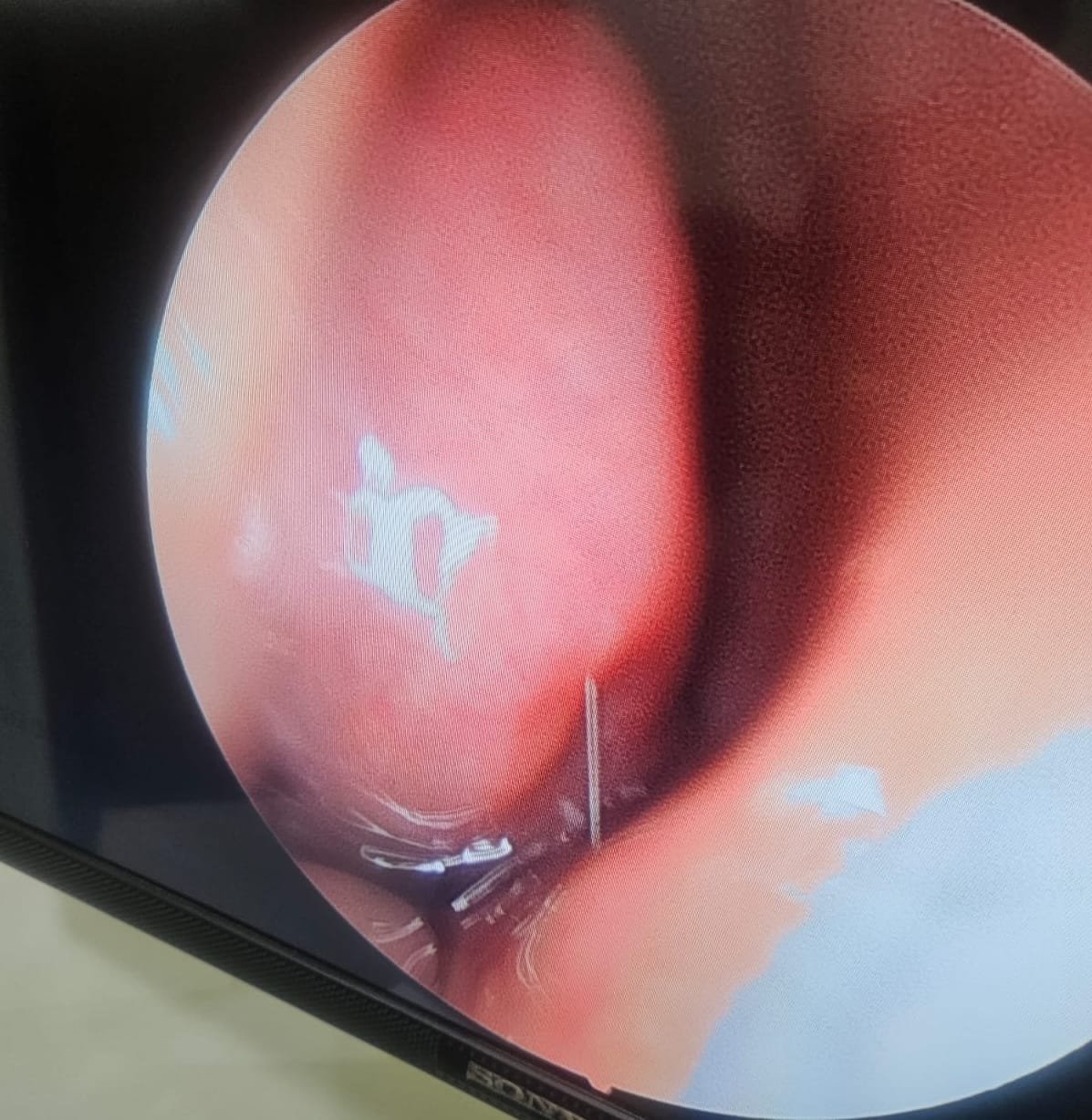
One of the most common but overlooked contributors to snoring is turbinate hypertrophy — the enlargement of the small bony structures inside the nose called turbinates. When these swell, they partially block the nasal airway, forcing you to breathe through your mouth and dramatically increasing the likelihood of snoring.
Coblator turbinoplasty is a minimally invasive procedure that uses Coblation technology.
When Should You See a Specialist?
If you wake feeling unrefreshed, if you are excessively sleepy during the day, or if a partner notices that you stop breathing during sleep, you should seek assessment promptly. A specialist can evaluate the precise anatomical cause and recommend the most appropriate treatment — whether that is a lifestyle change, a minimally invasive procedure like coblator turbinoplasty, or a more involved surgical approach.