International Faculty at the Middle East Otology Conference
Being invited to teach and share clinical experience with colleagues from different parts of the world is one of the most rewarding aspects of a medical career.
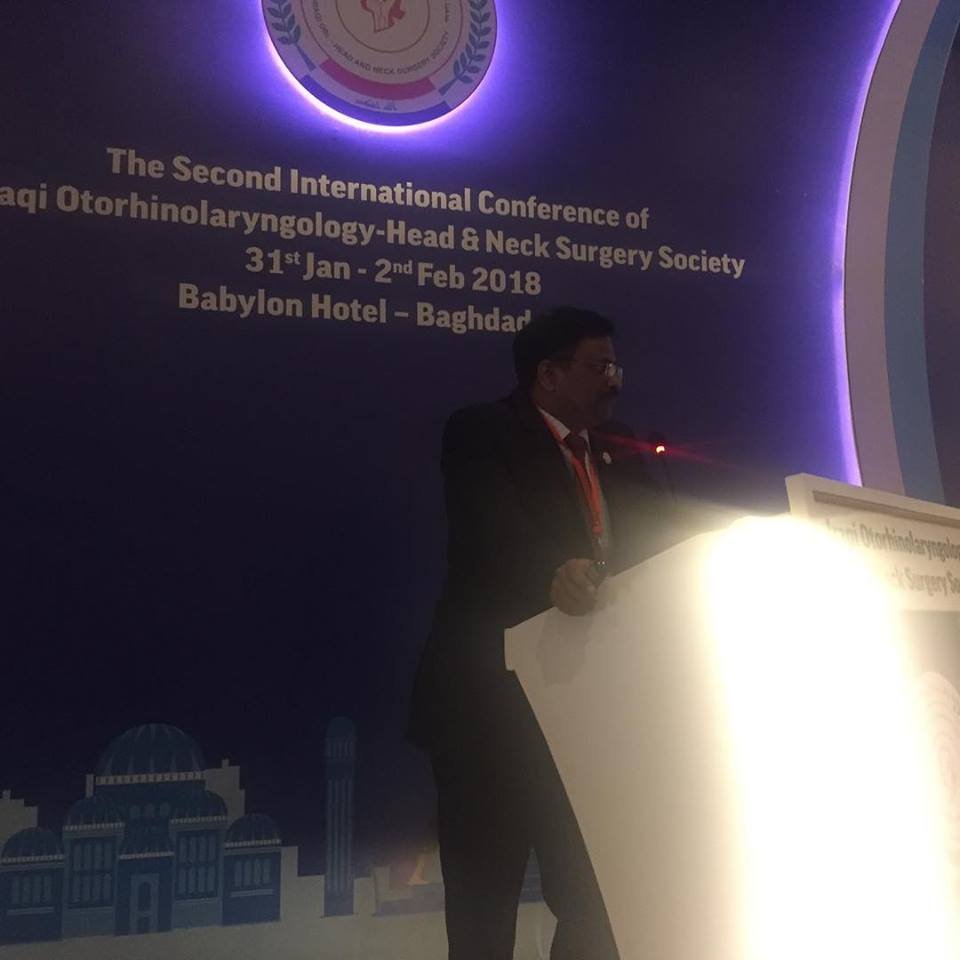
I was honoured to be invited as an International Faculty member at the Middle East Otology Conference, where I had the opportunity to participate alongside otologists and neurotologists from across the region and internationally.
The faculty included a small group of international experts, with representation from India as well.
My role involved sharing experience from clinical practice and discussing two areas that remain particularly relevant to modern otology and neurotology: establishing cochlear implant programs and the management of sudden sensorineural hearing loss.
Building a Cochlear Implant Program
Starting a cochlear implant program involves considerably more than developing surgical expertise.
A successful program requires a coordinated multidisciplinary team, appropriate infrastructure, patient selection and counselling, audiological support, rehabilitation, follow-up and sustainable systems for delivering care.
During the conference, I discussed some of the practical challenges involved in developing a new cochlear implant program and shared lessons from clinical experience that may be useful for centres working towards establishing or strengthening their own programs.
The objective is not simply to perform the surgery. A cochlear implant program needs to create a complete pathway for the patient — from evaluation and decision-making through implantation, programming, rehabilitation and long-term follow-up.
Managing Sudden Sensorineural Hearing Loss
The second area I discussed was sudden sensorineural hearing loss (SSNHL).
Sudden hearing loss requires timely assessment because the window for evaluation and treatment can be important. The clinical approach involves confirming the nature of the hearing loss, identifying potentially relevant causes and initiating appropriate management without unnecessary delay.
My presentation focused on the practical aspects of diagnosis and management, including treatment considerations and the challenges involved in achieving the best possible hearing outcome for individual patients.
Learning Through International Collaboration
One of the greatest benefits of international medical conferences is that learning is not restricted to the formal presentations.
Conversations with colleagues from different healthcare systems provide an opportunity to compare approaches, discuss difficult clinical situations and understand how different centres address similar challenges.
Otology and neurotology continue to evolve rapidly. Advances in cochlear implantation, hearing rehabilitation, skull-base surgery, imaging and technology are changing the way we diagnose and treat patients.
Sharing experience across borders helps all of us learn.
An Opportunity to Share — and to Learn
I am grateful to the organising committee for the invitation and to the faculty and delegates for the opportunity to participate in such an engaging scientific meeting.
For me, being invited as international faculty is not simply a recognition of past experience. It is also an opportunity to contribute, learn from colleagues and bring new ideas back into clinical practice.
Medicine advances when knowledge is shared.
And that is perhaps the most valuable part of participating in an international academic community — not simply representing where we come from, but contributing to a conversation that ultimately benefits patients everywhere.