The Art and Skill of the Mini-Incision Thyroidectomy
In surgical medicine, the evolution toward minimally invasive approaches is driven by a dual commitment: minimizing patient trauma and accelerating recovery times. However, reducing the physical footprint of an operation exponentially increases its technical complexity.
This balance of precision and skill is perfectly exemplified in Mini-Incision Thyroid Surgery.
While highly sought after globally, executing this procedure requires an elite level of surgical mastery, particularly in regions like the Middle East where patient expectations for cosmetic outcomes and rapid recovery are exceptionally high.
The Technical Challenge: Operating in Millimeters
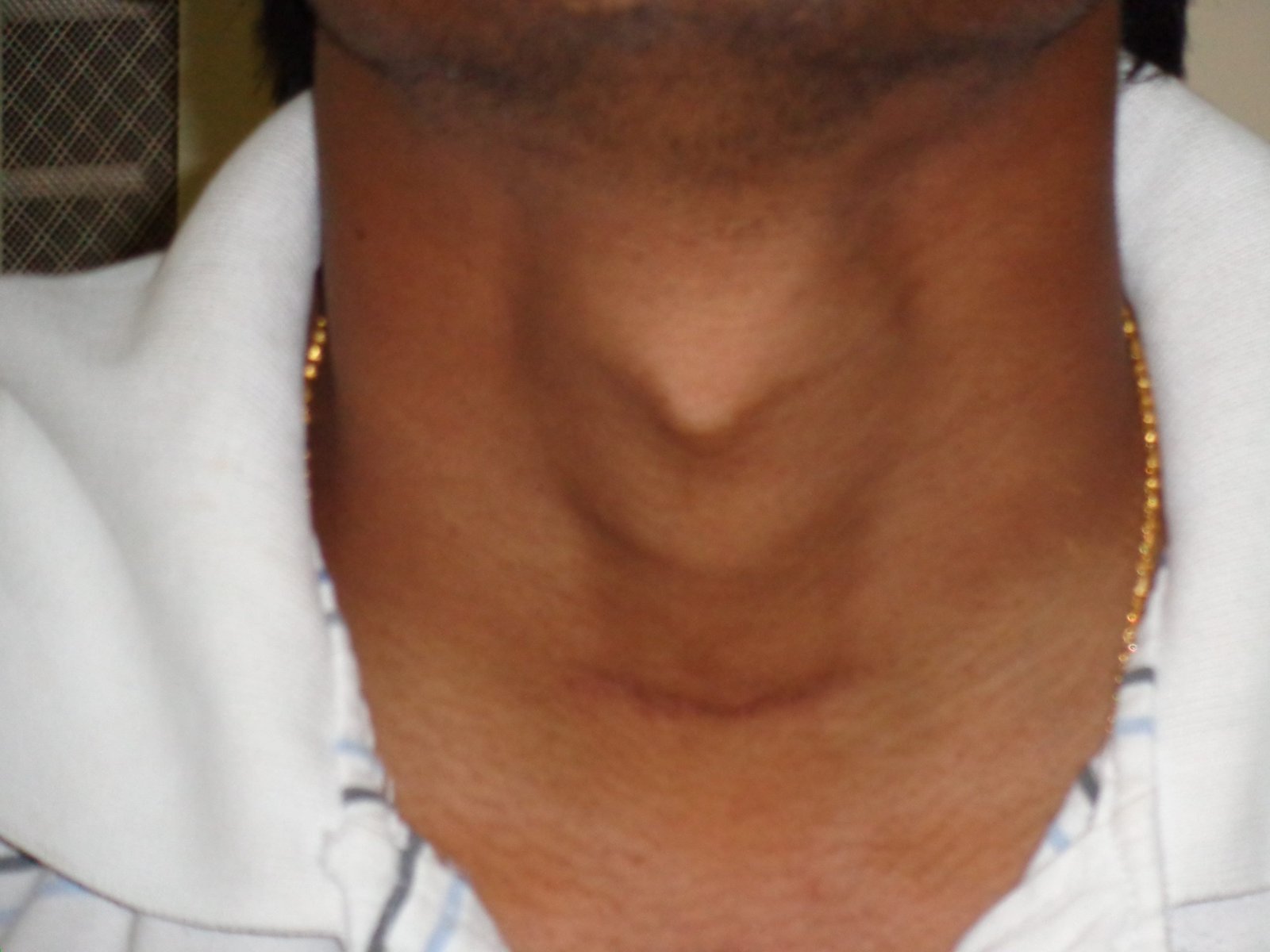
A mini-incision thyroidectomy is not simply a standard surgery through a smaller opening; it is a fundamentally different technical challenge. The surgical field is restricted to an extremely tight, limited space with minimized visibility.
When operating through a minimal corridor, there is zero margin for error. The anterior neck houses some of the most critical, delicate anatomy in the human body. A single millimeter of deviation can lead to catastrophic complications:
Recurrent Laryngeal Nerve (RLN) Injury: Leading to temporary or permanent vocal cord palsy, hoarseness, or airway compromise.
Vascular Trauma: Given the proximity to the carotid sheath and major thyroid arteries, minor absolute control errors can lead to rapid hematoma formation.
Parathyroid Devitalization: Risking profound postoperative hypocalcemia.
Mastering this region demands an absolute, intuitive understanding of surgical anatomy and exceptional tactile feedback.
A Foundation of Global Training and 15 Years of Expertise
Achieving proficiency in advanced endocrine techniques requires specialized mentorship. My foundation in mini-incision thyroid surgery was forged during intensive, advanced fellowship training directly under a globally recognized Thyroid World Expert.
For the past 15 years, I have been performing and refining these minimal-access techniques across both prime clinical centers in India and prestigious international locations. Navigating these confined spaces consistently over a decade and a half has allowed me to standardize protocols that ensure maximum safety while achieving the desired clinical outcomes.
Distinct Advantages for the Patient
When executed with the proper skill set, the clinical and lifestyle benefits of a mini-incision thyroid surgery for the patient are profound:
| Feature | Standard Open Thyroidectomy | Mini-Incision Thyroidectomy |
| Cosmetic Impact | Prominent, visible anterior neck scar | Discreet, highly minimized, non-noticeable scar |
| Surgical Drains | Frequently requires post-op drain placement | No surgical drains required |
| Hospital Stay | Multiple days of inpatient monitoring | Same-day discharge or next-day utmost |
| Recovery Timeline | Extended downtime due to tissue trauma | Accelerated recovery and faster return to daily life |
By eliminating the need for postoperative surgical drains, tissue trauma is greatly reduced. Patients experience significantly less postoperative pain, localized swelling, and psychological distress regarding their surgical scar.
Ultimately, mini-incision thyroid surgery bridges the gap between high-tier oncological/endocrine safety and superior patient quality of life. It stands as a testament to what can be achieved when specialized global training meets years of dedicated clinical practice.