Sleep Apnea in Children vs Adults: Why the Same Disease Looks Very Different
Obstructive sleep apnea (OSA) occurs when the upper airway repeatedly becomes narrowed or blocked during sleep, causing disrupted breathing and repeated arousals. Although the underlying problem is similar, sleep apnea in children vs adults can look remarkably different.
The causes are different. The symptoms can be different. And, importantly, the consequences and treatment approach are not the same.
What Happens During Obstructive Sleep Apnea?
During normal sleep, air passes freely through the nose and throat into the lungs.
With OSA, the upper airway repeatedly becomes partially or completely obstructed. Breathing may stop or become markedly reduced, followed by an arousal that helps reopen the airway.
These repeated events can fragment sleep and may cause fluctuations in blood oxygen levels and increased physiological stress.
But how this manifests depends greatly on age.
Sleep Apnea in Children vs Adults
| Feature | Children | Adults |
|---|---|---|
| Major contributors | Enlarged tonsils and adenoids are major contributors; obesity, nasal obstruction, and craniofacial factors may also contribute. | Obesity, upper-airway anatomy, age-related changes, nasal obstruction, craniofacial anatomy, and other factors may contribute. |
| Snoring | Loud, habitual snoring is common. | Loud, habitual snoring is common. |
| Night-time breathing | Mouth breathing, gasping, pauses, and restless sleep may occur. | Gasping, choking, and witnessed pauses may occur. |
| Daytime sleepiness | May be absent; younger children may instead show behavioural changes. | Excessive daytime sleepiness is a common clinical feature. |
| Behaviour | Hyperactivity, irritability, or behavioural changes may occur. | Irritability, reduced alertness, and mood changes may occur. |
| Attention | Poor concentration and difficulty with learning may occur. | Poor concentration and impaired daytime cognitive performance may occur. |
| Other clues | Bedwetting, unusual sleep positions, morning headaches, or poor school performance may occur. | Morning headaches, fatigue, reduced productivity, and impaired quality of life may occur. |
| Airway site | Often related to adenotonsillar enlargement, although other causes exist. | Airway narrowing or collapse may occur at one or more levels. |
| Treatment approach | Depends on cause. Adenotonsillectomy is commonly considered when enlarged tonsils and adenoids are responsible. | May include CPAP, weight management, oral appliances, positional therapy, surgery, or tailored combination care. |
Why Children May Look Different
A sleepy adult may look like someone with a sleep disorder.
A child with sleep apnea may look like a child with a behaviour or attention problem.
Children with disrupted sleep may not complain of excessive sleepiness. Instead, they may become hyperactive, restless, irritable, or inattentive. This is one reason pediatric sleep apnea can sometimes be overlooked or mistaken for an attention deficit disorder.
This does not mean that every child with ADHD has sleep apnea, or that every behavioural problem is caused by poor sleep. It means that sleep quality and breathing during sleep should be considered when significant behavioural or attention difficulties occur—particularly when snoring or mouth breathing is present.
What Causes Sleep Apnea in Children?
Watch: What Causes Sleep Apnea in Children?
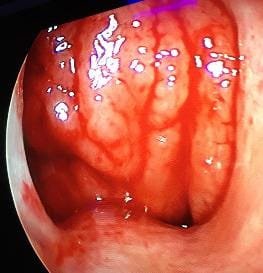
In children, enlarged tonsils and adenoids are major anatomical contributors to obstructive sleep apnea.
- Nasal obstruction
- Obesity
- Craniofacial abnormalities
- Neuromuscular conditions
- Certain genetic or syndromic conditions
Therefore, not every child with OSA has the same underlying cause. A child who snores loudly and regularly should not simply be told that they will "outgrow it." Persistent symptoms deserve an appropriate clinical evaluation.
What Causes Sleep Apnea in Adults?
Adult OSA is usually multifactorial. Important contributors and risk factors include:
- Obesity and increased neck circumference
- Upper-airway anatomy and narrow lateral pharyngeal walls
- Nasal obstruction or a small/retruded jaw
- Enlarged tonsils (in select patients)
- Increasing age, alcohol, and sedative use
The airway may collapse at different levels, including the palate, lateral walls, and tongue base. This is why treatment must be individualised rather than based on a single generic solution.
The Ill Effects: Children vs Adults
The consequences of untreated OSA overlap, but the areas of greatest clinical impact can differ:
| Children | Adults |
|---|---|
| Behavioural problems | Excessive daytime sleepiness |
| Hyperactivity or irritability | Reduced alertness and productivity |
| Poor attention and concentration | Increased accident risk |
| Learning difficulties & poor school performance | Hypertension & cardiovascular complications |
| Growth concerns (in some children) | Cerebrovascular complications & stroke risk |
| Bedwetting (enuresis) | Metabolic consequences (insulin resistance) |
| Reduced daytime quality of life & development | Mood disorders & reduced overall quality of life |
When Should Snoring Be Evaluated?
| Children | Adults |
|---|---|
| Habitual loud snoring | Habitual loud snoring |
| Mouth breathing | Witnessed pauses in breathing |
| Pauses in breathing during sleep | Gasping or choking during sleep |
| Restless sleep or unusual sleeping positions | Excessive daytime sleepiness & fatigue |
| Night sweats & bedwetting | Morning headaches & dry mouth |
| Daytime hyperactivity, poor attention, or irritability | Resistant hypertension or poor work productivity |
In children, the combination of habitual snoring with mouth breathing, restless sleep, breathing pauses, or daytime behavioural problems deserves particular attention. In adults, snoring accompanied by witnessed apneas, gasping, excessive sleepiness, or cardiovascular risk factors should prompt evaluation.
Snoring Is a Symptom — Not a Diagnosis
Not every person who snores has sleep apnea, but habitual loud snoring should never automatically be dismissed as harmless. Good sleep is essential for a child's growth and learning, and for an adult's health, safety, and longevity.