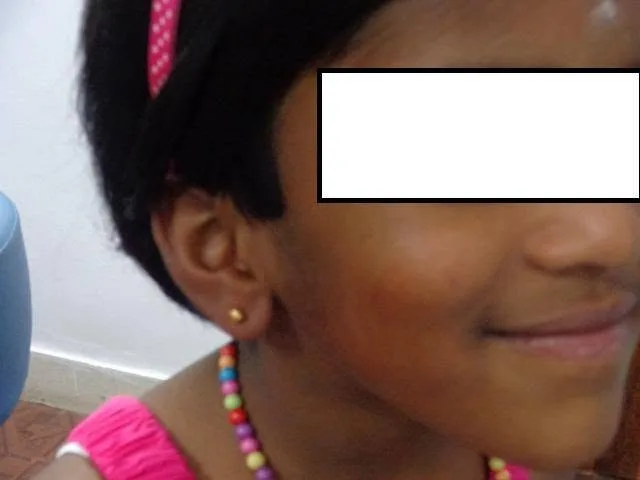
Ear Piercing Done Right: Why a Sterile Clinic Setting is always better
Getting your ears pierced should be a quick, happy moment — not the start of weeks of pain, swelling, or a stubborn infection that won’t heal.
Yet that’s exactly what happens to a surprising number of people who get their ears pierced at a jewellery shop, mall kiosk, or salon. What looks like a simple, five-minute procedure can turn into a painful lesson in why where you get pierced matters just as much as how.
At Dr Kumaresh ENT Clinic, ear piercing is done using a sterile, single-use imported gold-plated stud and a calibrated piercing gun, in a clinical environment.
Why Do So Many People Develop Allergies and Infections After Ear Piercing?
Most piercing problems trace back to three things: the material of the earring, the cleanliness of the equipment, and aftercare. Commercial establishments — however well-intentioned — often fall short on one or more of these.
- Nickel-Based or Poor-Quality Metal
Many inexpensive earring studs used shops and kiosks are made of alloys containing nickel. Nickel is one of the most common causes of contact allergy in the body, and the earlobe — is especially vulnerable. This shows up as redness, itching, swelling, or a discharge around the piercing site, sometimes weeks after the piercing itself.
- Incorrect Piercing Angle or Placement
Ears pierced without attention to anatomy can end up crooked, too close to the cartilage, or at an angle that causes the earring to rub and irritate the surrounding skin — creating a chronic entry point for infection.
- Poor Aftercare Guidance
Commercial piercing services rarely give proper aftercare instructions, leaving people to guess — or worse, follow inaccurate advice from friends or the internet — about how to care for a healing piercing.
Why a Sterile, Gold-Plated Stud and Gun-Piercing Method Is Safer
- Hypoallergenic material: Gold-plated studs are far less likely to trigger the nickel-related allergic reactions seen with cheaper alloys, making them a safer choice.
- Single-use, sterile equipment: Each stud and cartridge used in a clinical setting is sterile and used only once.
- Anatomically guided placement: Piercing performed with clinical precision reduces the risk of misalignment, cartilage injury, or irritation from an angled earring.
- Medical supervision: If something does go wrong — unexpected bleeding, an allergic reaction, or signs of infection — you’re already in a clinical setting.
What to Do for Proper Healing
- Clean the area gently twice a day.
- Keep the original stud in place for the recommended healing duration.
- Avoid applying cosmetics, perfumes, or hair products directly near the piercing.
- Watch for early signs of a problem — persistent redness, warmth, swelling, or discharge — rather than waiting for it to worsen.
- Rotate the earring clockwise in morning and anti-clockwise in the evening.
- Do not remove the earring too early — this can cause the piercing to close.
- Do not use alcohol, hydrogen peroxide, or other harsh antiseptics.
- Do not swim in pools, ponds, or open water until the piercing has fully healed.
When Should You See a Specialist?
Most piercings heal without issue, but you should get it checked by an ENT or your doctor if you notice:
- Increasing pain, redness, or swelling after the first few days
- Pus or foul-smelling discharge from the piercing site
- The earring appears to be sinking into or growing out of the skin
- A lump or bump forming at the piercing site (this can indicate a keloid or granuloma)
- Fever, or the surrounding skin feeling hot to the touch
- A reaction that doesn’t settle even after removing the earring
Cartilage piercings in particular carry a higher risk of complications and should always be evaluated promptly if something feels wrong, since cartilage has a lower blood supply and heals more slowly than the earlobe.
At Dr Kumaresh ENT Clinic, ear piercing is performed with sterile, single-use, gold-plated studs and a calibrated piercing gun — the same hygiene standards we apply to every clinical procedure.