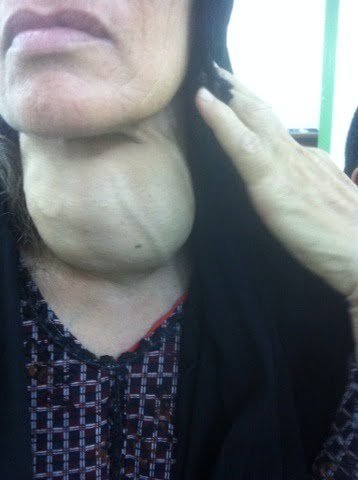
Thyroid Nodule: What It Means, and What to Do Next
You felt a small lump in your neck, or your doctor found one during a routine check-up. The first thought is almost always the same: is this cancer?
Here’s the reassurance first, and then the facts: most thyroid nodules are not cancerous. But “most” isn’t “all,” and how a nodule gets evaluated — not how it feels — is what actually determines whether it’s safe to watch or needs to come out.
The thyroid is a small, butterfly-shaped gland in your neck that controls your body’s metabolism through the hormones it releases. A thyroid nodule is simply an abnormal growth of thyroid cells forming a lump within that gland. Nodules can be:
- Solitary — a single nodule
- Multiple — more than one nodule
- Cystic — fluid-filled
- Solid — made of tissue rather than fluid
Thyroid nodules are the most common endocrine problem doctors see, and they’re significantly more common in women.
What Causes Thyroid Nodules
Several factors raise the likelihood of developing a nodule:
- Sex and age — women, and adults over 40, are more prone to nodules
- Radiation exposure — particularly to the head, neck, or chest, including in childhood
- Hashimoto’s thyroiditis — an autoimmune condition and the most common cause of hypothyroidism, which can also present with nodular changes in the gland
- Iodine deficiency — less common in India today, but still relevant in some regions
- Family history — a genetic predisposition to thyroid disease or thyroid cancer
Symptoms to Watch For
Most thyroid nodules cause no symptoms at all — which is exactly why most are found incidentally, during a routine exam or an ultrasound done for something else. When a nodule does cause symptoms, it’s usually because of size or pressure:
- Difficulty swallowing
- Shortness of breath, if the nodule presses on the windpipe
- Hoarseness, if it irritates the nerve to the voice box (rare)
Separately, watch for signs the nodule is affecting your thyroid’s hormone output:
Overactive thyroid (hyperthyroidism): sudden weight loss despite normal or increased appetite, a pounding heart, trouble sleeping, muscle weakness, nervousness or irritability.
Underactive thyroid (hypothyroidism): feeling cold, fatigue, dry skin, memory problems, low mood, constipation.
How a Thyroid Nodule Is Diagnosed
Blood tests check thyroid hormone and TSH levels to see whether the gland is functioning normally.
Thyroid ultrasound is the key first imaging test — it measures the nodule precisely and helps characterize whether it looks low-risk or concerning. It’s also used to guide the needle during biopsy.
Thyroid scan uses a small amount of radioactive iodine to see how the nodule behaves compared to normal thyroid tissue:
- A cold nodule doesn’t take up iodine normally — this usually leads to a biopsy.
- A functioning nodule behaves like normal tissue — biopsy usually isn’t urgent.
- A hot nodule takes up more iodine than normal tissue — cancer risk here is extremely low, and biopsy is often unnecessary.
Fine needle biopsy samples cells from different parts of the nodule so a pathologist can directly assess whether cancer cells are present. This is the test that actually answers the question a scan or ultrasound can’t.
What NOT to Do
- Don’t ignore a nodule because it doesn’t hurt. Painless is the default presentation — it tells you nothing about risk.
- Don’t skip the biopsy if it’s recommended. Ultrasound and scans narrow the risk; biopsy is what actually rules cancer in or out.
- Don’t assume small means safe, or large means dangerous. Size alone doesn’t predict whether a nodule is cancerous — the tissue characteristics do.
- Don’t self-diagnose off symptom checklists. Hyper- and hypothyroid symptoms overlap with dozens of unrelated conditions; guessing delays the actual answer.
- Don’t delay evaluation for a nodule that’s visibly growing or changing — that’s one of the few signs worth acting on quickly rather than watching.
When to See a Specialist
See a doctor to evaluate any unusual swelling or lump in your neck — this is the single most important step, regardless of how it feels. You should also seek evaluation promptly if you notice the hyperthyroid or hypothyroid symptoms above, since these point to a functional problem that needs addressing independent of cancer risk.
If a nodule is confirmed or highly suspected to be cancerous, it’s treated surgically by a head and neck surgeon. The reassuring fact worth holding onto: most thyroid cancers are curable and rarely become life-threatening when caught and treated appropriately.
If you’ve been told you have a thyroid nodule and aren’t sure what the next step should be, book a consultation — getting the right test first saves you months of uncertainty.