Concha Bullosa: A Hidden Cause of Nasal Obstruction
The middle turbinate plays a quiet but essential role in nasal function — it deflects inhaled air upward and away from going directly into the sinuses, and helps humidify and warm the air before it reaches your lungs. When this structure becomes enlarged or abnormal, however, it can turn from a helper into the source of chronic nasal blockage.
What Causes Nasal Obstruction?
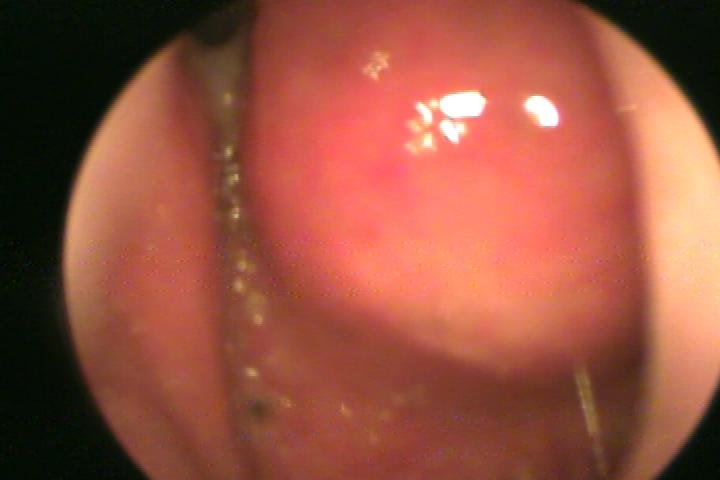
There are several reasons people struggle with nasal obstruction. Most commonly, large swollen turbinates result from allergies or an underlying deformity of the nasal septum. A less common — and often overlooked — cause is concha bullosa: a pneumatized (air-filled) middle turbinate that physically obstructs sinus ventilation and interferes with mucus drainage due to impaired mucociliary clearance. In some cases, an enlarged concha bullosa can even trigger rhinogenic headaches, since pressure from the swollen turbinate against the nasal septum or lateral nasal wall can refer pain to the head and face.
How Concha Bullosa Is Identified
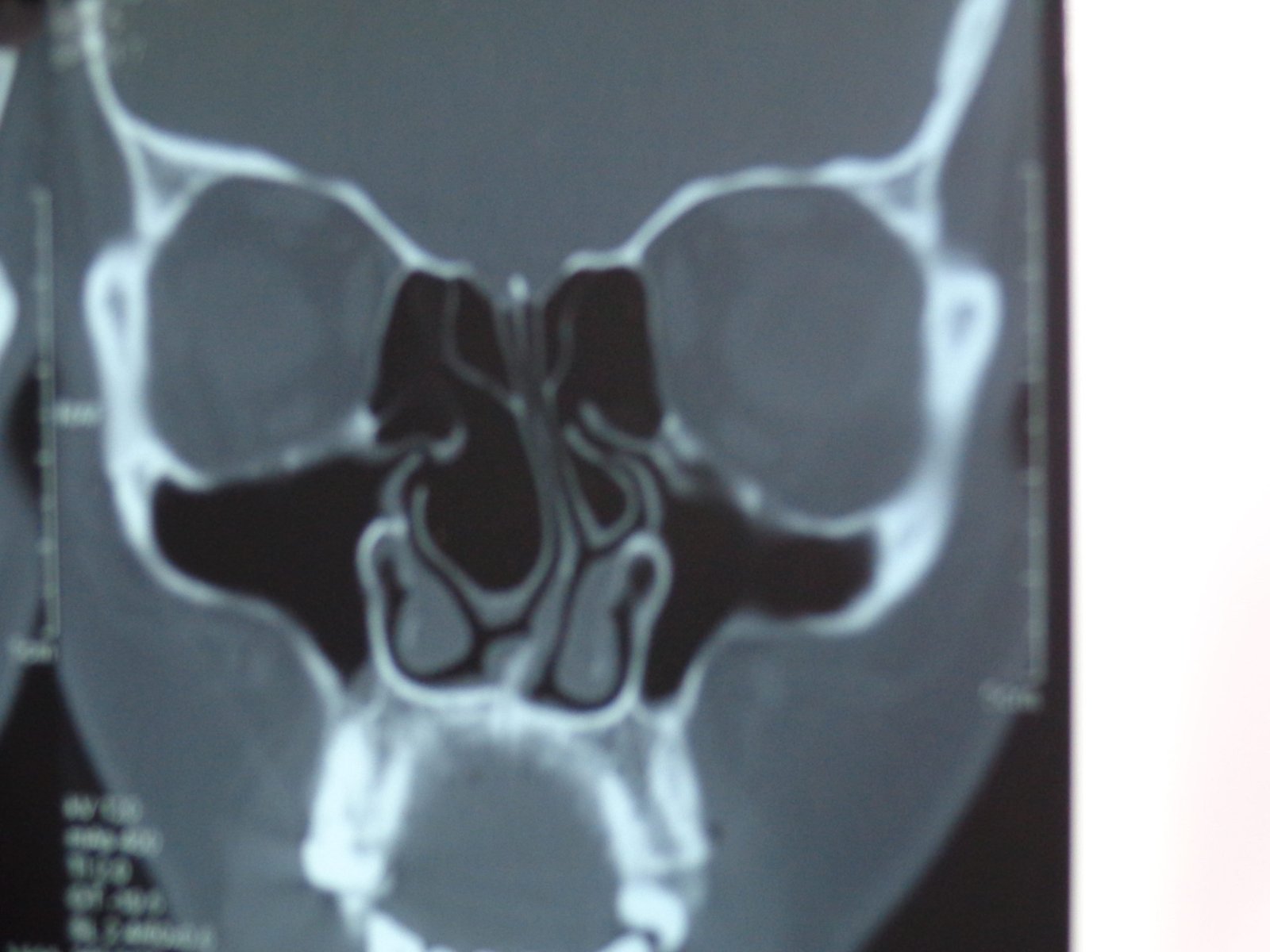
Because its symptoms — nasal congestion, facial pressure, headache, and reduced sense of smell — overlap with more common conditions like allergic rhinitis or septal deviation, concha bullosa is frequently missed on a basic examination. A CT scan of the sinuses is usually needed to clearly identify the air-filled cavity within the turbinate and confirm it as the source of obstruction, rather than assuming allergies or a deviated septum are solely to blame.
Treatment Options
The goals of treating concha bullosa are to maximize the nasal airway, preserve healthy nasal mucosa function, and minimize complications. Medical management, such as steroid nasal sprays, may be attempted first to reduce inflammation and improve airflow. However, once the turbinate bone has pneumatized, medication alone typically isn’t enough — concha bullosa is fundamentally considered a surgical condition, and surgery is almost always required to correct it permanently.
When to See a Specialist
If you’ve been dealing with persistent nasal blockage, recurring headaches, or sinus pressure that hasn’t improved with allergy medication or nasal sprays, it may be worth having your turbinate anatomy evaluated directly rather than continuing to treat symptoms alone. A CT-based evaluation can quickly determine whether concha bullosa — rather than allergies or septal deviation — is the actual cause, and guide the right treatment path forward.