The Overlooked Danger of Dehydration During Infections
When illness strikes, most people focus on medication, rest, and bringing down a fever. One thing that often gets pushed to the background is dehydration—even though preventing it plays a central role in recovery.
Infections, whether viral or bacterial, tend to increase fluid loss while simultaneously reducing fluid intake. Fever, sweating, vomiting, diarrhoea, and rapid breathing all drive water loss. At the same time, a sore throat, nausea, low appetite, or general malaise make you less inclined to drink.
Why Dehydration Risk Rises During Infection
Fighting an infection raises the body’s metabolic demands. Fever is especially significant, since a higher body temperature increases fluid loss through the skin and through breathing—one of the main drivers when you’re sick.
Loss of fluid, itself can cause fatigue, headache, dizziness, dry mouth, and reduced urine output—symptoms that are easy to mistake for general weakness from the infection rather than a fluid problem in their own right.
Children and older adults are particularly at risk, since they may not recognize or communicate thirst as reliably as other adults.
Preventing Dehydration While Sick
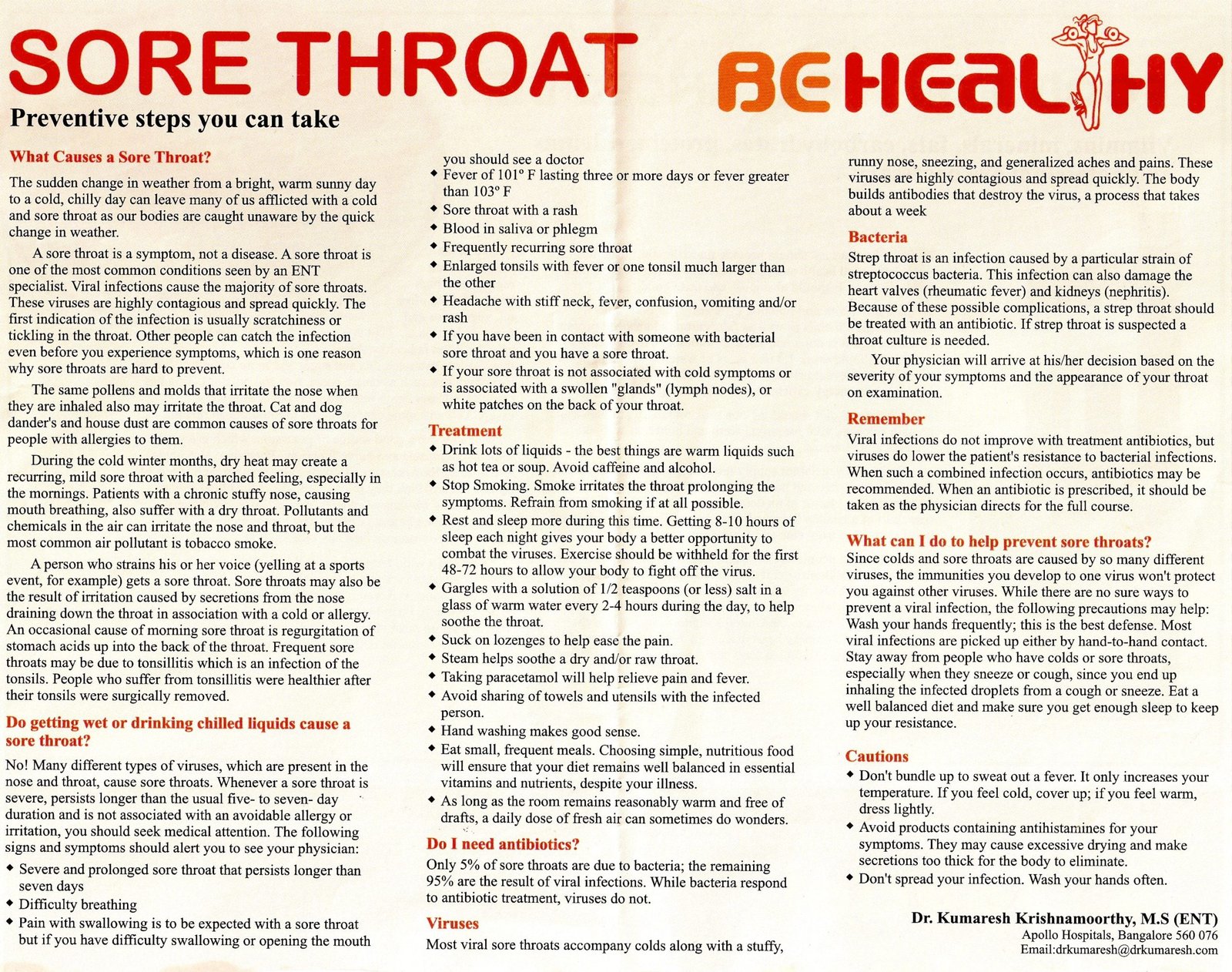
- Drink on a schedule, not just when thirsty Sip fluids regularly if swallowing is painful, small sips are typically more manageable than large gulps.
- Watch your urine as a rough gauge Dark yellow urine or infrequent urination can signal inadequate fluid intake.
- Use oral rehydration solutions when losses are significant If vomiting or diarrhoea is substantial, an oral rehydration solution (ORS) helps replace lost salts as well as water.
- Skip alcohol Alcohol should be avoided during an acute infection.
Seek medical attention if you can’t keep fluids down, have persistent vomiting or diarrhoea, are passing very little urine, become unusually drowsy or confused, feel faint, or show other signs of significant dehydration.
Do Antibiotics Cause Dehydration?
Antibiotics can contribute to it indirectly. Some antibiotics cause diarrhoea, nausea, or vomiting as side effects, and any of these can increase fluid loss the same way the infection itself might. Diarrhoea linked to antibiotic use—can be significant enough in some cases to warrant an oral rehydration solution. On top of that, feeling nauseated or unwell from a course of antibiotics digestive symptoms crop up reducing how much you’re inclined to drink, which compounds the problem.
Treating the infection matters. So does keeping the body hydrated.
During an infection, remember: treating the infection is important—but maintaining hydration is part of caring for the body while it fights it.